How Spring Pollen Affects Your Pool Water
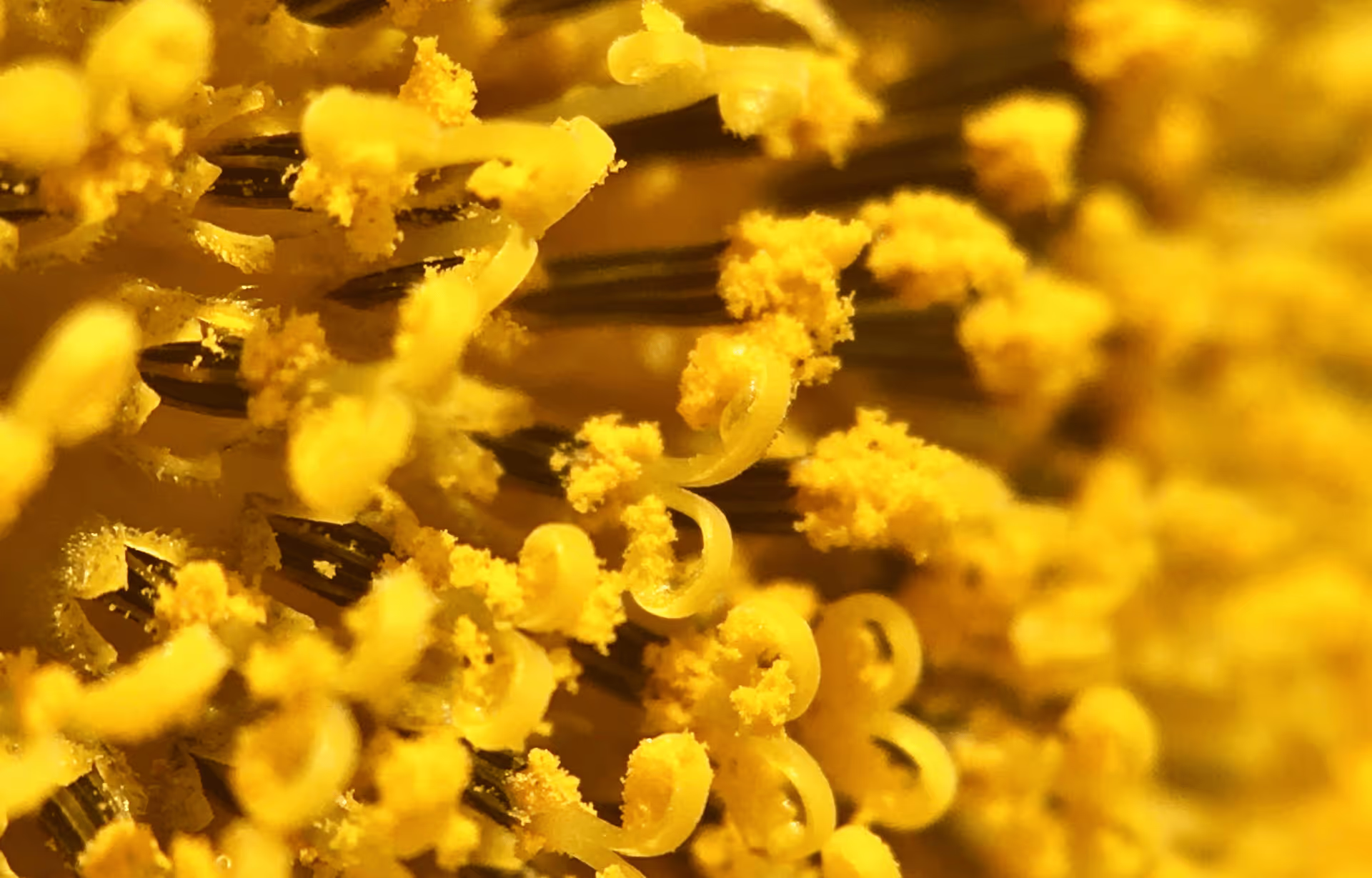
Spring in North Florida brings warmer weather, longer days, and a heavy wave of pollen. While most homeowners notice it on their cars and outdoor furniture, many don’t realize just how much it impacts their pool.
If your pool suddenly looks cloudy or yellowish this time of year, pollen is likely the reason.
Understanding how pollen affects your pool water and what to do about it can save you time, frustration, and costly cleanups.
What Pollen Does to Your Pool
Pollen may look harmless, but it creates several challenges once it enters your pool.
As pollen settles on the water’s surface, it begins to break down and mix into the water. This introduces organic material that affects both water clarity and chemical balance.
Common issues caused by pollen include:
- Cloudy or hazy water
- Yellow dust collecting along pool edges
- Increased chlorine demand
- Clogged skimmer baskets and filters
Since pollen is so fine, it can pass through basic filtration systems and continue circulating unless properly managed.
Why Your Pool Chemistry Gets Unstable
Pollen is organic matter, which means your pool chemicals, especially chlorine, work harder to break it down.
As chlorine gets used up faster, sanitizer levels drop. This creates the perfect environment for bacteria and algae to develop.
Without consistent care, what starts as a light dusting of pollen can quickly turn into:
- Dull or cloudy water
- Algae growth
- Unbalanced pH and alkalinity
Regular maintenance during pollen season is critical to keeping your pool stable and safe.
Pollen vs. Algae: Know the Difference
Many pool owners mistake pollen for algae, and for good reason. Both can give your pool a yellow or greenish appearance.
Here’s a quick way to tell the difference:
- Pollen sits on the surface or collects in corners and can return quickly after cleaning
- Algae clings to surfaces and walls and won’t brush away as easily
Even though pollen isn’t as harmful as algae, it can lead to algae growth if left untreated.
Your Filter Can Only Do So Much
Your pool filter plays a key role during pollen season, but it can become overwhelmed quickly.
As pollen builds up, it:
- Clogs filters faster than normal
- Reduces water circulation
- Lowers filtration efficiency
This means your system has to work harder just to maintain basic water clarity. Without regular cleaning and filter checks, performance drops and problems build up.
Why Skipping Service Makes It Worse
Pollen season requires more frequent attention, not less.
If your pool isn’t being cleaned consistently:
- Debris accumulates faster
- Chemicals fall out of balance
- Circulation becomes less effective
- Water clarity declines quickly
This is why many homeowners turn to professional pool cleaning services in Jacksonville during the spring months. Consistent service keeps pollen under control and prevents it from turning into larger water quality issues.
How to Stay Ahead of Pollen Season
The key to managing pollen is consistency. Waiting until your pool looks dirty usually means the problem has already escalated.
Smart pool owners stay ahead by:
- Skimming the surface regularly
- Cleaning out skimmer and pump baskets
- Brushing walls and steps
- Monitoring and adjusting chemical levels
- Keeping filters clean and functioning properly
Professional service ensures all of these steps are handled weekly, so your pool stays clear even during peak pollen season.
Keep Your Pool Clean All Spring Long
Pollen is unavoidable in North Florida, but pool problems don’t have to be. With the right approach, you can keep your water clear, balanced, and ready to enjoy all season long.
The key is staying proactive instead of reactive. If your pool is already looking cloudy or feeling harder to manage, now is the time to act.
Get ahead of pollen season with reliable, professional pool care. Consistent service keeps your pool clean, your water balanced, and your system running efficiently, no matter how heavy the pollen gets.