
Pool Vacuuming in Jacksonville: The Ultimate Guide on How to, Why, and When
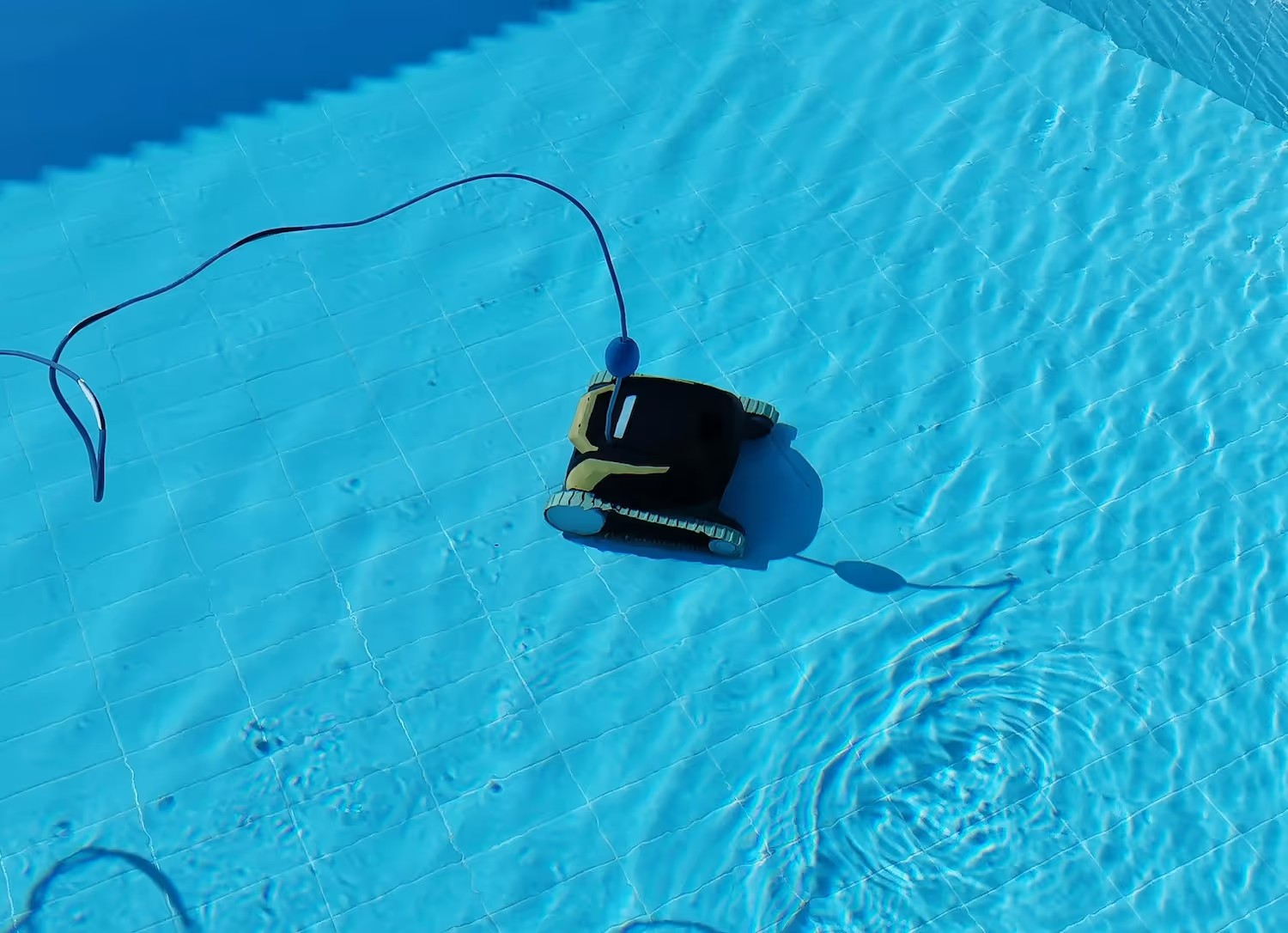
A blue, sparkling pool is enjoyable to swim in and relax by, and one of the best ways to keep a pool clean is through regular vacuuming. Chemicals can stay balanced more effectively in a clean pool and maintenance issues and costs will likely be much less. If you’re in need of a pool maintenance service in the Jacksonville, Florida area, please contact us online or call 904-222-0809.
Benefits of Regular Pool Vacuuming
First, regular vacuuming keeps your pool clean, preventing buildup of dirt and debris. A clean pool is an attractive pool, one that doesn’t have the bad odors associated with the mold, mildew, and bacteria often found in a dirty one.
A clean pool is an environment where chemicals can work at their best, circulating and sanitizing; the pool filter and pump can run appropriately; and maintenance issues are lessened. This can save you money on costly repairs while also allowing you to enjoy your pool on an ongoing basis.
How to Manually Vacuum Your Pool
You can remove larger pieces of debris, such as sticks, with a net on a telescopic pole. Once the debris that’s easily visible is removed, you can remove the net and then attach the pool vacuum head to the pole. Keep a good grip on the pole as you lower the pool vacuum head and hose into the water, keeping the other end of the hose on the pool deck.
Go to the filter skimmer that’s located on a pool wall; it’s where the water enters the pool. Connect the other end of the hose into the water intake nozzle. At this point, you’ll see air bubbles at the vacuum head; wait until the hose is filled with water because that’s necessary to create suction. You’ll know it’s ready when the vacuum head is flat.
For vacuuming that’s light to moderate, keep the multiport valve filter on the “Filter” setting. In this setting, the water level will remain the same so no more needs to be added. For heavier duty jobs, use the “Waste” setting; in this case, you’ll also need to replace the water that goes down the drain.
Use the same type of motion that you would when vacuuming a rug, using slow but steady back and forth movements. Repeat the motions as many times as necessary to remove the dirt from the pool. Once you’re done, disconnect the hose on both ends; clean out the skimmer bottom; and, if necessary, put the setting back on “Filter.” If you plan to scrub the pool’s sides and floor, put the appropriate brush on the telescoping pool and do so now.
Often, a weekly vacuuming is a good schedule. If you notice dirt or debris in your pool before the regularly scheduled time, you may need to do an extra pool cleaning. This could happen, for example, if a storm blew leaves and sticks around your property or if a swarm of bugs descended.
Although manual vacuuming takes more time and effort than automatic systems, this system does give you control over where you want to apply the suction, including in the pool’s nooks and crannies.
Automatic and Robot Pool Cleaners
If you have an automatic system, then you can hook it up in a way that’s similar to a manual vacuum and then let the system do the work. These systems cost more than manual ones but they allow you to set it and forget it, freeing you to spend your time in other ways.
Robot pool cleaners free up your time even more since you don’t need to hook up the system. Instead, you just place the cleaner in the pool and it does the rest of the work. They are incredibly convenient, efficient, and effective. Because they come with their own filtration system, this means that your pool’s filter doesn’t need to manage all the debris. This can extend the life of your pool filters.
Pool Cleaning and Pool Maintenance Services
For those who would prefer to leave vacuuming their pools to the professionals, hiring a reputable pool cleaning service is your best bet. If you’re looking for a pool cleaning company that has a real passion for pools and for serving customers, then we invite you to choose the JOMO pool maintenance company. We believe that time spent by your pool should be enjoyable, time spent with friends and family, not with vacuuming and maintaining it. We offer a choice of four pool cleaning plans to ensure we’ve got one to meet your needs and your budget. At a high level, they are:
- AquaJOMO: If you prefer to handle your own pool cleaning and maintenance but want the pros to address chemical use/balancing, then this is a good service for you.
- SparklingJOMO: If you’re active in your own pool maintenance but would like an economical bi-weekly service, then this is an attractive plan.
- SparklingJOMO Plus: This service provides you with all cleaning services, equipment checks, and water balancing 50 times a year.
- SuperJOMO: Customers who want premier service will appreciate SuperJOMO! This includes our all-inclusive weekly pool care, 50 times a year, and also includes equipment warranties and replacement of pool maintenance items.
No matter which pool cleaning plan you choose, you can add on a state-of-the-art robot pool cleaner for a small monthly charge. There can be a significant investment if you buy your own robotic cleaner and JOMO Pools can save you that upfront expense, installing the robot pool cleaner and maintaining it to keep its cleaning potential at the max. In other words, there won’t be an upfront expense and you aren’t responsible for the hassles of maintaining the equipment. You simply benefit from a sparkling clean pool!
If you’re ready to get started with Jacksonville pool cleaning services, please contact us online or call 904-222-0809.
Pool Vacuuming FAQs
Is a pool vacuum necessary?
The short answer is that, yes, pool vacuuming is necessary. When it isn’t vacuumed regularly, the pool water will have increasing amounts of dirt, leaf debris, twigs, and other unwanted detritus, turning your pool green or cloudy. Chemicals that you put into your water will need to work harder, which means you’ll need to spend more on chemicals and invest more time into using them. Ultimately, your pool can be a source of algae growth, which then takes time and attention to address.
Regular pool vacuuming, whether through a manual, automatic, or robotic vacuum system, can prevent dirt and debris from accumulating, keeping your pool water sparkling and clean. Here, you can compare our pool cleaning programs to pick the level and frequency of services that would suit you best.
What setting should my pool pump be on to vacuum?
For regular pool vacuuming when the levels of sediment are low to moderate, keep the setting on “Filter,” which is the standard option. In this position, dirty water that’s been vacuumed up will go through the filter. Debris will be removed, with filtered water returned to the pool, keeping the water level the same. Sometimes, though, levels of debris and contamination are higher, perhaps when algae are actively blooming, and then you’ll want to switch your setting to “Waste” or “Drain.” At this setting, the contaminated water will be diverted to an external drain, rather than cleaned and returned to the pool. To get the pool back to normal water levels, fresh water must be added.
How do you vacuum an inground pool?
There are three types of vacuuming systems: manual, automatic, and robotic. With a manual vacuum, you connect the parts of the system and then clean the pool using motions similar to vacuuming a rug. With an automatic system, you still need to connect the pieces of the system but then the cleaning is an automatic process. The robotic system is quick and easy to use; just drop it into the pool and the cleaner will take care of the rest. More specific directions for manual vacuuming are included in the main body of this page.
Do you vacuum a pool on backwash or waste?
There may be times when you decide to vacuum your pool on the “Waste” setting, such as when the water is very dirty or it’s the first cleaning of a new year and there’s plenty of debris to address. It doesn’t make sense to use the “Backwash” setting when vacuuming, though, because any dirt and debris picked up will likely get stuck in the bottom part of the sand filter. When you put your setting back to “Filter,” what’s been lodged there will go back into the pool while the water would be being sent to the waste pipe; the latter action would cause the water levels in the pool to drastically drop.
Why is my pool dirty after I vacuum it?
The problem could be with your pool filter. When a filter isn’t doing its job well, then dirt can be seen in the bottom of the pool, even after you’ve just vacuumed. The filter may need to be professionally/commercially cleaned or, if you have a sand filter, the sand itself may need freshened.